
The History of European Passion Plays
From medieval Easter dramas to a living European tradition
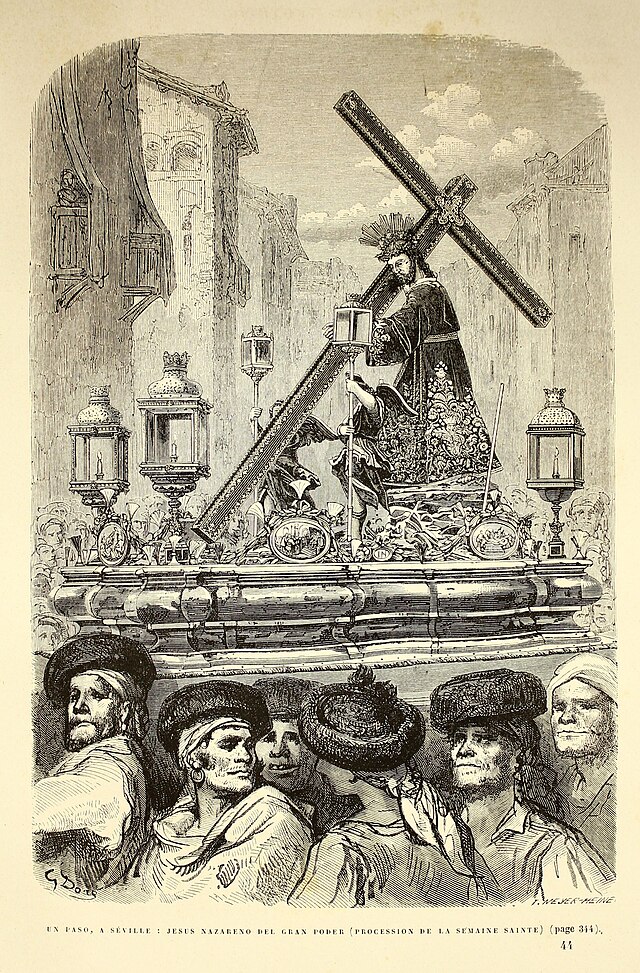
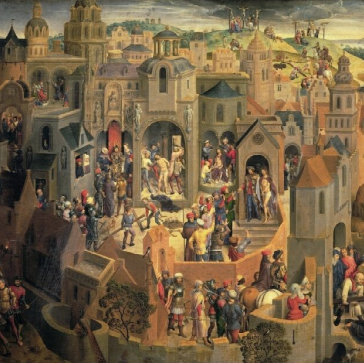
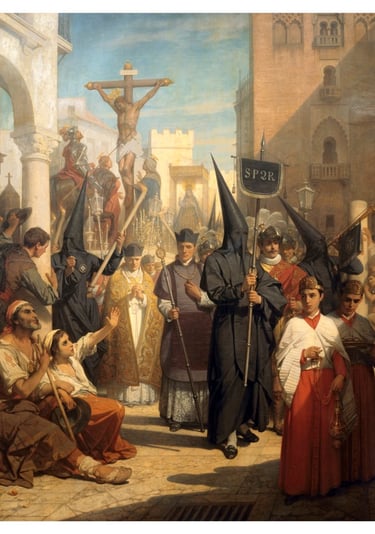
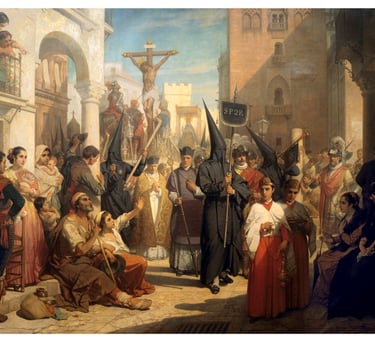
Passion Plays are among Europe’s oldest continuously preserved theatrical traditions. For nearly 1,000 years, communities have retold the story of Jesus Christ’s suffering, death, and resurrection—as an expression of faith, culture, and community life. Today, Passion Plays are performed in more than 80 cities and regions across Europe, united through EUROPASSION.
1. Medieval Origins (11th–13th Century)
Early Passion Play scenes emerged in the context of Holy Week liturgy:
Clergy performed dramatized Gospel passages, usually in Latin.
Their goal was to make the Passion story more tangible for worshippers.
An early example is the Benediktbeuern Passion Manuscript (13th c.), combining Latin hymns with German verses.
These liturgical roots became the foundation of a European theatrical tradition.
2. From Church to Marketplace (14th–15th Century)
In the late Middle Ages, Passion Plays moved into public life:
Performances shifted to marketplaces and open spaces.
Local residents (laypeople) took on the roles.
The language changed from Latin to the vernacular, opening participation to a much wider audience.
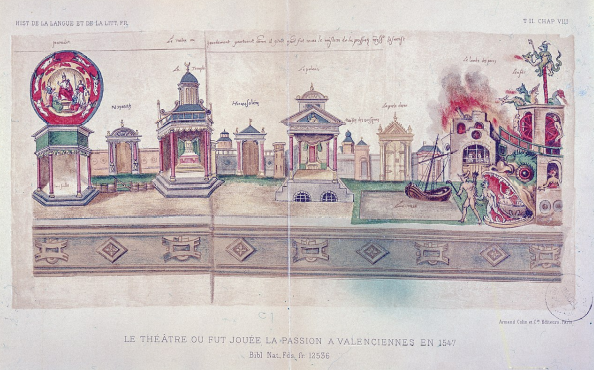
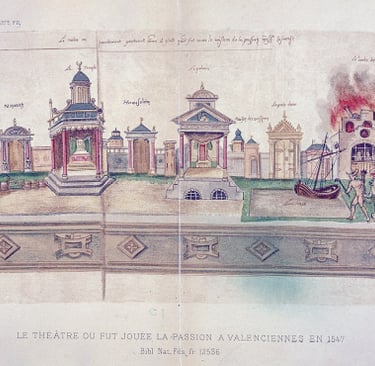
Important centers included Valenciennes (France) and Lucerne (Switzerland), known for their large-scale productions.
3. Theatre and Ritual Traditions (16th–17th Century)
The Reformation and Counter-Reformation shaped Passion Play development across Europe. Two parallel forms emerged:
Theatrical Traditions
Religious dramas, autos sacramentales, and musical Passion oratorios
Strong in Spain, Italy, Germany, and central Europe
Ritual Traditions
Holy Week processions, living tableaux, devotional reenactments
Dominant in Catholic regions
Both forms continue to coexist today.
4. Revival and Identity (18th–19th Century)
During the Romantic era, Passion Plays experienced a renewed appreciation:
They were seen as expressions of cultural identity and historical continuity.
Many villages developed firmly rooted local traditions.
The best-known example is Oberammergau (Germany), where—following a 1633 plague vow—the Passion Play is performed every ten years and has become a globally recognized cultural event.
5. A Living Tradition (20th–21st Century)
Today, Passion Plays are not historical relics, but vibrant contemporary expressions:
They combine faith, art, and community participation.
They engage with modern theological, social, and artistic themes.
Many incorporate inclusive and diverse casts and production teams.
Older scripts have been revised to address historical antisemitic elements with sensitivity.
Passion Plays are a shared European cultural heritage, sustained by volunteers, local identity, and living faith.
6. Europassion – A Network of Living Traditions
For over 40 years, EUROPASSION has connected more than 80 Passion Play communities across 16 European countries.
The network promotes:
Exchange among Passion Play groups
Preservation and further development of Passion Play traditions
Cross-border collaboration
Projects focusing on faith, culture, community, peace, and sustainability
The history of Passion Plays remains vibrant—across Europe, in local traditions, and in the people who continue to bring these stories to life.
Author: Claudio Bernardi, CIT – Centre for Theatre Research and Initiative, Catholic University of the Sacred Heart, Milan.
Contacts
Email: info@europassion.eu
Socials
Imprint
EUROPASSION
Via Ulisse Aldrovandi 16
00197 Roma
ITALY
Banco BPM
BIC: BAPPIT21C07
IBAN: IT73 V 05034 45620 000000005131